
Buying a property in Mexico is only the first step in a real estate investment.
One of the most common questions among people living in New York is how much it costs to maintain a house, condo, or investment property in Mexico after the purchase is complete.
The answer depends on several factors, including:
- the city where the property is located;
- the type of property;
- whether it is part of a condominium or residential development;
- the amenities included;
- the size of the unit;
- whether the property is used personally, as a second home, or as a vacation rental.
Understanding these costs before purchasing helps investors calculate the true cost of ownership and estimate potential returns more accurately.
For New York residents considering real estate in Tulum, Playa del Carmen, or Cancun, operating expenses should be evaluated together with acquisition costs, legal due diligence, taxes, and the intended use of the property.
Thinking about investing in Mexico?
Get personalized legal guidance before you buy.
Is It Cheaper to Maintain a Property in Mexico Than in New York?
In many cases, yes.
Although every property should be evaluated individually, many U.S. buyers find that certain ownership costs in Mexico can be lower than those associated with properties in areas such as:
- Manhattan;
- Brooklyn;
- Queens;
- Long Island;
- Westchester;
- Staten Island.
Some of the costs that may differ significantly include:
- annual property tax;
- labor for maintenance and repairs;
- property management;
- certain utilities;
- insurance;
- some condominium operating expenses.
However, lower individual expenses do not automatically mean that every property in Mexico is inexpensive to maintain.
Luxury developments with extensive amenities can have significant monthly HOA fees, while vacation rental properties may require professional management, frequent cleaning, repairs, guest services, and additional operating expenses.
For this reason, the Riviera Maya can be attractive both as a second-home market and as a real estate investment destination, but each property should be analyzed based on its actual numbers.
Main Costs of Maintaining a Property in Mexico
1. Property Tax in Mexico
The annual municipal property tax in Mexico is commonly known as predial.
Property owners are responsible for paying this tax to the municipality where the property is located.
The amount generally depends on factors such as:
- cadastral value;
- municipality;
- type of property;
- location;
- characteristics of the land and construction.
Compared with property taxes in many parts of New York, annual property tax in Mexico can be significantly lower.
However, rates and calculations vary by municipality, so investors should verify the actual tax history and cadastral information for the specific property before purchasing.
It is also important to confirm that there are no unpaid property taxes before closing.

2. HOA and Condominium Fees
If the property is located within a condominium, gated community, or residential development, the owner will usually be responsible for monthly or periodic maintenance fees.
These fees may cover services such as:
- security;
- landscaping;
- swimming pools;
- gyms;
- elevators;
- common-area cleaning;
- building administration;
- lighting;
- common utilities;
- maintenance of shared facilities.
The amount can vary substantially depending on the development.
A simple residential condominium may have relatively modest fees, while a luxury development with multiple pools, rooftop areas, spas, gyms, concierge services, and private security can require significantly higher monthly payments.
For this reason, New York investors should request the current condominium budget and maintenance fee schedule before purchasing.
3. Utilities
Typical recurring utilities can include:
- electricity;
- water;
- internet;
- gas, when applicable;
- waste collection;
- telecommunications.
Actual costs depend heavily on how the property is used.
For example, a condo that remains vacant for several months may have relatively low utility consumption, while a vacation rental with constant guest turnover and heavy air-conditioning use can generate significantly higher electricity expenses.
Air conditioning can become one of the most important utility costs in tropical destinations such as Tulum, Playa del Carmen, and Cancun.
4. Property Insurance
Property insurance is not always mandatory in every ownership scenario, but it is highly recommended.
Depending on the policy, coverage may include:
- structural damage;
- hurricanes and certain natural events;
- civil liability;
- theft;
- personal property;
- water damage;
- other insured risks.
This can be particularly important in coastal areas where tropical storms and hurricanes are part of the regional risk profile.
New York buyers should compare coverage carefully rather than purchasing a policy based only on price.
Important factors include:
- exclusions;
- deductibles;
- hurricane coverage;
- liability limits;
- contents coverage;
- replacement value;
- claims procedures.
5. Property Management
For New York residents who do not live full-time in Mexico, property management may become one of the most important recurring expenses.
A property manager may handle:
- inspections;
- maintenance coordination;
- bill payments;
- access to the property;
- repairs;
- communication with the condominium;
- guest support;
- rental administration.
The level of service varies significantly between providers.
Some managers charge a fixed monthly fee, while others charge a percentage of rental revenue or combine both models.
Before hiring a manager, investors should understand exactly what is included and what services generate additional charges.
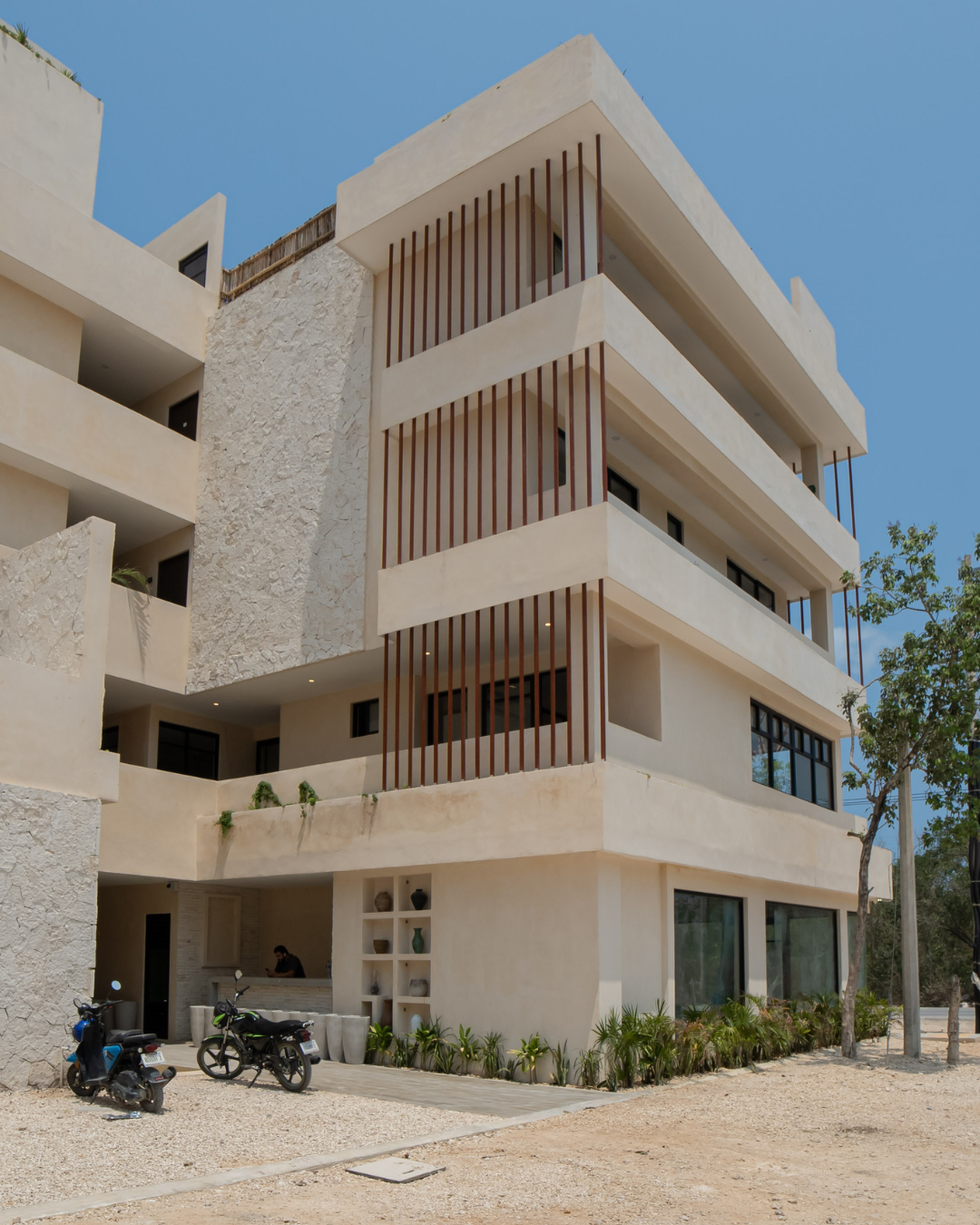
6. Vacation Rental Management
If the property will generate income through Airbnb or other short-term rental platforms, additional operating costs should be included in the investment analysis.
These may include:
- reservation management;
- guest communication;
- check-in and check-out services;
- cleaning;
- laundry;
- maintenance;
- property inspections;
- photography;
- marketing;
- platform commissions;
- restocking;
- emergency assistance;
- administrative management.
A vacation rental may generate more gross income than a traditional long-term lease in certain markets, but it can also have significantly higher operating costs.
For this reason, investors should focus on net return, not only projected gross revenue.
7. Preventive Maintenance and Repairs
Properties in tropical coastal environments require ongoing maintenance.
Potential expenses may include:
- air-conditioning servicing;
- humidity treatment;
- painting;
- plumbing;
- electrical repairs;
- appliance replacement;
- pest control;
- waterproofing;
- furniture replacement;
- maintenance caused by salt and humidity exposure.
Ignoring preventive maintenance can result in larger expenses later.
Investors who live in New York should have a system for inspecting the property regularly, even when it is not being rented.
Initial Costs You Should Also Consider When Buying
In addition to annual and monthly ownership expenses, buyers must consider the costs associated with acquiring the property.
These may include:
- Real Estate Acquisition Tax;
- notary fees;
- Public Registry fees;
- bank trust setup costs, when applicable;
- legal fees;
- appraisals;
- certifications;
- administrative fees.
In many transactions, total closing-related costs are often estimated at approximately 5% to 8% of the property value, although the actual amount can vary depending on the municipality, property value, type of transaction, and legal structure.
For New York buyers, these expenses should be included in the total investment budget from the beginning.
What Is the Fideicomiso and Does It Have an Ongoing Cost?
Foreign buyers purchasing residential property within Mexico’s Restricted Zone commonly acquire rights through a Mexican bank trust known as a fideicomiso.
Tulum, Playa del Carmen, and Cancun are located within this restricted coastal zone.
A fideicomiso normally involves:
- an initial setup cost;
- legal and administrative costs;
- an annual bank trustee fee.
The annual fiduciary fee should therefore be included in the long-term ownership budget.
It is not simply a closing expense.

Which City Has Lower Property Operating Costs?
There is no single answer.
Each market has different property types, development models, HOA structures, and operating expenses.
Tulum
Tulum has a large number of developments designed for international buyers and vacation rentals.
Many projects offer premium amenities such as:
- rooftop pools;
- gyms;
- wellness areas;
- coworking spaces;
- security;
- landscaped common areas;
- concierge services.
Because of this, HOA fees can vary significantly from one project to another.
Tulum may appeal to investors seeking growth potential or short-term rental demand, but maintenance costs should be reviewed carefully before purchasing.
It is particularly important to compare several developments rather than assuming that all Tulum condos have similar operating expenses.
Playa del Carmen
Playa del Carmen has a more diversified and established real estate market.
Buyers can find:
- smaller condominiums;
- luxury developments;
- downtown properties;
- residential neighborhoods;
- gated communities;
- properties designed for long-term tenants;
- vacation rental units.
This creates a broader range of operating expenses.
Many investors view Playa del Carmen as a balance between:
- infrastructure;
- rental potential;
- lifestyle;
- operating costs;
- accessibility.
Cancun
Cancun is one of the most established real estate and tourism markets in the Mexican Caribbean.
Its larger size means there are multiple property segments, including:
- downtown residential areas;
- hotel-zone properties;
- Puerto Cancun;
- gated residential communities;
- beachfront properties;
- investment condos.
Each has a different operating structure.
Cancun can appeal to investors looking for strong infrastructure and connectivity, but the cost profile of a luxury waterfront property can be very different from that of a traditional residential condo.
Is It Worth Buying a Property for Vacation Rentals?
Many New York residents purchase properties in Mexico with the goal of generating income through Airbnb or other short-term rental platforms.
This strategy can work in tourist destinations, but profitability should never be calculated solely from projected nightly rates.
Before purchasing, investors should consider:
- local regulation;
- condominium restrictions;
- taxes;
- management fees;
- maintenance costs;
- cleaning;
- utilities;
- insurance;
- platform fees;
- vacancies;
- seasonal demand.
A property advertised as generating a certain annual return should be analyzed carefully.
Projected returns are not guaranteed.
Legal Considerations Before Operating a Vacation Rental
Before purchasing a property specifically for short-term rentals, buyers should verify:
- whether the condominium rules allow vacation rentals;
- whether local regulations permit the intended use;
- whether permits or registrations are required;
- applicable tax obligations;
- the property’s authorized use;
- restrictions in the bank trust, if applicable.
A development being marketed as “Airbnb friendly” does not necessarily guarantee that short-term rentals are legally permitted.
This should be verified before signing the purchase agreement.
The Importance of Financial Due Diligence
Legal due diligence protects the buyer from legal problems.
Financial due diligence helps determine whether the investment actually makes economic sense.
A financial analysis should consider:
- fixed expenses;
- variable expenses;
- cash flow;
- expected rental income;
- occupancy assumptions;
- management costs;
- maintenance;
- insurance;
- taxes;
- HOA fees;
- investment horizon.
This information helps investors compare properties based on expected net performance, not simply marketing claims.
The Importance of Legal Due Diligence
Before purchasing a property in Mexico, it is also important to complete legal due diligence.
This can include reviewing:
- legal ownership;
- title documentation;
- Public Registry information;
- liens and mortgages;
- unpaid property taxes;
- permits;
- land-use authorization;
- condominium regime;
- condominium bylaws;
- developer documentation;
- purchase agreement;
- restrictions on short-term rentals.
For New York residents buying from abroad, independent legal review can be particularly important because the buyer may not be physically present during every stage of the transaction.
Common Mistakes New York Buyers Should Avoid
Some of the most common mistakes include:
- focusing only on the purchase price;
- failing to calculate HOA fees;
- ignoring annual property taxes;
- underestimating vacation rental management costs;
- failing to purchase adequate insurance;
- not budgeting for repairs;
- overlooking the annual fideicomiso fee;
- assuming Airbnb is automatically permitted;
- relying solely on projected rental returns;
- confusing gross rental income with net profit;
- failing to review condominium rules;
- purchasing without legal due diligence.
Avoiding these mistakes can significantly improve the quality of the investment decision.
Annual Property Ownership Checklist
Before purchasing, estimate the annual cost of:
- property tax;
- HOA fees;
- insurance;
- bank trust fees;
- electricity;
- water;
- internet;
- repairs;
- preventive maintenance;
- property management;
- vacation rental management, if applicable;
- cleaning and guest services;
- accounting and tax compliance.
The purchase price is only one part of the total cost of ownership.

Frequently Asked Questions
Is it cheaper to maintain a property in Mexico than in New York?
In many cases, certain expenses such as municipal property tax and some maintenance services can be lower in Mexico. However, the actual cost depends on the property, location, amenities, management structure, and intended use.
What annual expenses should I expect?
Property owners should generally consider expenses such as:
- property tax;
- HOA fees;
- insurance;
- utilities;
- repairs;
- preventive maintenance;
- bank trust fees, when applicable;
- management costs.
Do foreigners pay property tax in Mexico?
Yes. Foreign property owners are responsible for applicable municipal property taxes just like other owners.
Does a fideicomiso have an annual fee?
Yes. Mexican bank trusts generally include annual trustee or administration fees that should be included in the ownership budget.
Can I manage my property from New York?
Yes. Many foreign owners use local property managers to coordinate maintenance, inspections, rentals, guest services, and other operational needs.
Can vacation rental income cover my expenses?
It may help offset ownership costs, but there is no guarantee. Income depends on occupancy, nightly rates, seasonality, management, competition, regulation, and operating expenses.
Which city is better for investment: Tulum, Playa del Carmen, or Cancun?
It depends on the investor’s objectives.
Tulum may appeal to buyers interested in developing areas and tourism-focused projects.
Playa del Carmen offers a more diversified market and a balance between infrastructure, lifestyle, and rental demand.
Cancun provides strong connectivity, established infrastructure, and a large tourism and residential market.
Are HOA fees lower in Mexico than in New York?
They can be, but not always. Luxury developments in the Riviera Maya may have significant maintenance fees because of extensive amenities and services.
Do I need insurance?
Insurance is not always mandatory, but it is strongly recommended, particularly in coastal markets exposed to hurricanes and tropical storms.
Should I hire an attorney before buying?
Independent legal counsel can help review ownership, contracts, permits, liens, condominium rules, the fideicomiso, and other legal issues before the buyer commits significant funds.
Conclusion
For many people living in New York, buying a property in Mexico can provide an opportunity to diversify assets, own a second home in the Caribbean, or participate in a dynamic real estate market.
However, a successful investment depends on much more than the purchase price.
Investors should understand the complete cost of ownership, including:
- property taxes;
- HOA fees;
- insurance;
- utilities;
- maintenance;
- property management;
- vacation rental expenses;
- bank trust fees;
- legal and tax compliance.
Before purchasing a property in Tulum, Playa del Carmen, or Cancun, buyers should evaluate both the legal and financial aspects of the transaction.
Understanding the real operating costs from the beginning helps investors make more informed decisions and protect their capital over the long term.
About LST MEX
LST MEX is a Mexican law firm specializing in real estate, immigration, and labor law.
We advise Mexican and international clients on:
- real estate acquisitions;
- legal due diligence;
- bank trusts for foreign buyers;
- contract review;
- closings;
- vacation rental legal compliance;
- immigration matters;
- legal compliance.
We provide legal support for real estate transactions in Tulum, Playa del Carmen, and Cancun.